
How often should guitar strings be replaced?
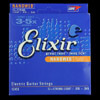 For professional string replacement at the Haifa guitar workshop, click here.
String life varies by manufacturer, player and playing frequency. Strings that show rust, feel rough or become difficult to play should be replaced. The studio also carries coated strings such as Elixir, which are designed for longer life. Because strings are used regularly for repairs, students and customers, stock turnover is high. Depending on use, wear and protection from humidity, replacement may be appropriate anywhere from a few weeks to several months.
How should a guitar be cleaned?
 Like any musical instrument, a guitar should be cared for and cleaned. Use products intended for guitars and finishes. The fretboard is conveniently cleaned during a string change, once the strings have been removed, using an appropriate cloth and a product suitable for the fretboard material.
Should tuning machines be replaced at home?
 Replacing tuning machines is not always technically difficult, but on a valuable instrument it is better to have the work done professionally so unnecessary holes or modifications do not reduce its value. A practical check is to compare the new tuners with the existing screw holes and dimensions; if the mounting does not match, the tuners are not a direct fit for the instrument.
Why does the guitar go out of tune?
All string instruments need regular tuning, and a guitar should be checked before playing. If the instrument repeatedly goes dramatically out of tune, common causes include worn strings or a setup issue that needs attention.
Should oil be applied to the guitar neck/fretboard?
 There are many products for maintaining guitars in changing climate conditions. Lemon-oil products can be useful on suitable unfinished fretboards, but should not be used frequently or on incompatible finishes. The original guide recommends leaving this kind of treatment to periodic setup rather than applying it often at home.